Understanding How Land Use Applications Affect Your Property in Douglas County
Douglas County Commissioners once again rubber-stamped the financial DEBT without prior representation for the Zebulon Sport Complex
🚨 ZEBULON PROJECT -WHAT YOU ARE NOT BEING TOLD
❌ NO VOTE
COP DEBT = NO TABOR VOTE
• This is debt
• You did not vote on it
• You still pay for it over time
Not free. Not transparent.
💸 YOU PAY LATER
“No cost to taxpayers” is misleading
• Paid through districts, mills, fees
• Long-term obligation tied to your property
• If projections fail, residents absorb the cost
⚠️ ENVIRONMENTAL RISK
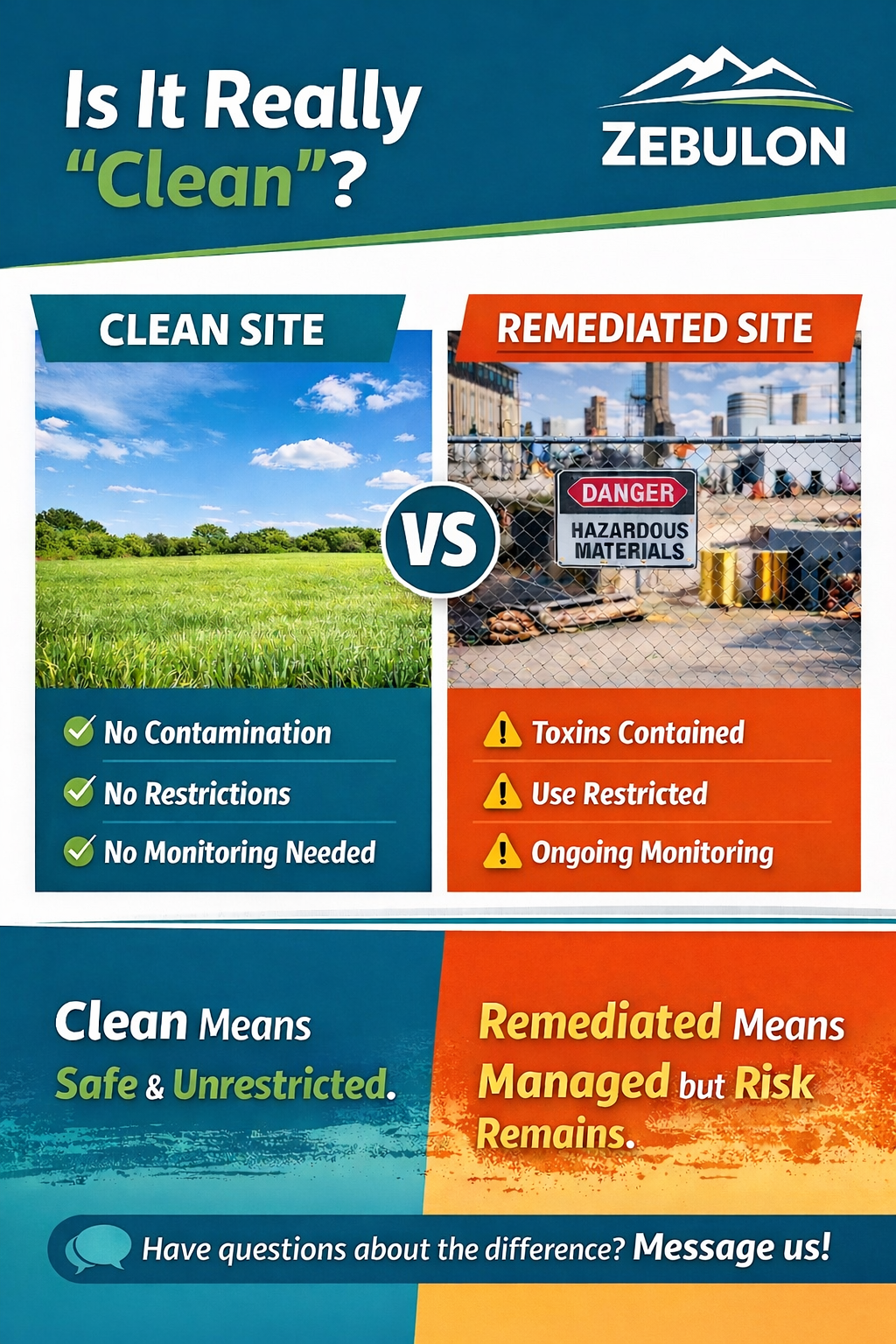
MITIGATED ≠ CLEAN
• Waste is buried, not removed
• Risk is managed, not eliminated
• Soil disruption can change exposure
Our kids deserve more than “bury and monitor.”
❓ $12 MILLION CONTRACT
SR CONSTRUCTION QUESTIONS
• Formed around 12/2025
• Awarded ~$12M project
Where is the transparency?
• Was there a public RFP
• Who else bid
• How was this selected
🎯 THIS IS THE ISSUE
• No public vote
• Public debt
• Mitigated toxic land
• Unclear contract process
🔴 BOTTOM LINE
This is not about stopping sports
It is about:
• Safety
• Transparency
• Accountability
• Your right to vote
✅ DEMAND BETTER
• Full financial disclosure
• Environmental clarity
• Open bidding process
• A public vote
Concerns Regarding Amendment 15
There are ongoing concerns related to the Zebulon site, including its association with DuPont land and reports of contamination. The proposed sports complex at this location remains unfunded, and there is reported opposition from a majority of residents.
In March 2026, new information regarding Rocky Flats raised concerns. Land that underwent extensive cleanup through CDPHE and was previously declared safe by the Colorado Department of Public Health and Environment is now acknowledged to contain uranium, with warning signs being posted.
This situation raises a direct concern. A failed cleanup outcome, such as Rocky Flats could be repeated at Zebulon if development, including the proposed sports complex, moves forward without full and independent verification of land safety.
These developments have increased concern about land safety, public use, and long-term exposure risks.This site is for community education and summarizes public records. Please verify details through Douglas County’s official case file (ZR2025-014). We do not represent Douglas County or the applicant.
Most Recent Happenings
Listen to this Podcast about the COP to understand why they are costly and risky to the citezens
What You Can Do:
Next Douglas County Meetings
Parks Advisory Board Meeting: Wednesday, April 8, 2026, at 5:30 p.m..
Board of County Commissioners Business Meeting: Tuesday, April 14, 2026, at 1:30 p.m..
Douglas County
Address 100 Third Street
Castle Rock, CO 80104
Attend via Webex if you can’t make it in person:
Participate via WebEx Events
The link will be activated before the meeting. Complete the registration information and enter the password – BOCC (2622 from phones and video systems)*
*Link and access code subject to change. For the official WebEx link, phone number, and access code, see the meeting notice/agenda packet once posted.
Once you have signed into the meeting. Open the chat window so that you may be instructed how to participate by the host.
Device features can vary; if you can, join by desktop for the most reliable experience. Please confirm the official link and access details on the County meeting notice.
Listen via Telephone at 720-650-7664 United States Toll (Denver) and enter the access code: 2498 651 8016
BI monthly community Rallies
📅 Attend the bi-monthly rallies at Waterton Rd at Rampart Range Road 4/18/2026 11:00-2:00. Bring a sign to show what matters to you. We do have a reporter following these rallies and airing them on Channel 7 news.
✍️ Submit a public comment for the record/ Write to the AG Phil Wisner philipwisner.com, or bocc@douglas.co.us
start all correspondence with “make this part of the public record, response requested.”
🧠 Share this information with neighbors
🗣️ Talk about the proposal within your community
Decisions of this scale shape our region for decades. The opportunity to influence them exists now — and it works best when neighbors show up informed and together.
Open Meetings Law upheld, County commissioners violated this, and the court agreed
Read the court transcript/ruling HERE
Click above to learn more from Lora Thomas
Listen to Lora being interviewed about Open Meetings Case and the New Commissioner Elections Here
Words from a citizen who attended the meeting from The Lantern publication :
On March 31, my husband and I attended the County Commissioners’ special business meeting regarding funding for the Zebulon Sports Mega Complex. I went with questions, hoping to better understand the proposed multi-year funding plan slated for approval that evening.
As someone who is an avid sports person and values recreation in our communities, I am not opposed to investing in land and facilities that further opportunities for increased access to these in Douglas County. However, these decisions need to be carefully evaluated with both short term and long term impacts to our communities and pocketbooks.
My concern began with the agenda itself. It indicated the Commissioners intended to approve funding despite the TABOR requirement that multi-year financial commitments be approved by voters. The meeting notice stated that “public comment will be welcome” (see below), which offered some reassurance—especially given how limited opportunities for meaningful public input have become outside of elections.
The Douglas County Lantern is a reader-supported publication. To receive new posts and support our work, consider becoming a free or paid subscriber.
When signing up to speak, attendees were required to indicate whether they were “for” or “opposed” to the proposal. As someone still seeking information, I could not honestly select “for,” so I registered as“opposed.” But being forced to “pick a side” creates a false binary that discourages genuine inquiry.
At the start of the meeting, Commissioner Abe Leyden emphasized that the Board works for the public, values community input, and hopes the discussion would remain focused on what is best for our children and community. Those are admirable sentiments.
Unfortunately, what followed did not reflect them.
A series of speakers was presented, some addressing topics unrelated to the matter at hand, while time steadily slipped away. When public comment finally opened, several hours after the start of the meeting, speakers were called primarily from the “for” list, with just a few from the “opposed” list. Then, abruptly, the Commissioners announced they had “run out of time” — without hearing from all residents who had signed up to speak in opposition or with concerns—and proceeded directly to a vote.
This was not an accident; it was a choice.
If public comment is only heard when it aligns with a predetermined outcome, it is not truly public comment. It is a theater.
I left the meeting discouraged, but not deterred. Residents who ask questions or express concerns deserve to be heard—not sidelined. We are not obstacles to be managed; we are constituents the Commissioners are elected to represent.
I will continue to attend, to speak when allowed, and to submit comments even when ignored. Accountability requires persistence. Our elected officials should expect nothing less.

Why You Are Here
Planned Development is more than a zoning change — it represents a period of rapid growth that could significantly affect Sterling Ranch and surrounding communities.
Residents are raising questions about whether infrastructure, planning, and safety modeling are keeping pace with the speed and scale of proposed development. These are reasonable concerns for a community built on the promise of thoughtful, master-planned growth.
This site is not opposed to growth or new homes. It exists to ensure that decisions of this magnitude are reviewed carefully, transparently, and with clear public understanding.
Here, you’ll find a plain-language breakdown of what’s being proposed, why it matters, and how residents can participate while public input still counts.
Why This Matters
What’s at Stake
Adding up to 4,000 new homes isn’t just about growth — it changes how our community functions every day, and how safe we are when things go wrong. Three things matter most in any master-planned community:
Water. Roads. And the ability to get out safely in an emergency.
Amendment 15 directly affects all three.
🚰 Water
Sterling Ranch’s water system was designed based on a specific number of approved homes. Amendment 15 would significantly increase that number, placing additional long-term demand on water supplies and infrastructure.
Adding up to 4,000 more homes could:
Increase strain on water and wastewater systems due to increased water demand
Increase reliance on water supplies that must last for decades
Residents deserve clear, public answers about:
What specific water sources would serve the additional homes
How long are those supplies guaranteed
What infrastructure upgrades would be required
Who would pay for those upgrades
Although Dominion has issued a letter indicating support for the proposed amendment, letters of support are not the same as independent verification of long-term water sufficiency.
Residents are aware that questions about water availability and long-term supply are actively discussed at the state and regional level, and they are asking for greater clarity about how water resources will be secured decades into the future.
At this stage, residents have not seen a publicly available, independent analysis confirming that long-term water reserves are sufficient to support the additional homes proposed under Amendment 15. Given the scale of this amendment, residents are asking for a thorough, science-based review of water sources and infrastructure before approval is considered.
Waste Water Treatment Plant
Since its inception, Sterling Ranch has not operated a fully independent wastewater treatment system and has relied on the Roxborough Wastewater Treatment Plant.
There are now serious questions about whether that facility has the remaining capacity to support continued growth. If capacity is limited or fully allocated, additional approvals must pause until verified, permitted treatment capacity is in place.
A development planned at approximately 16,000 homes and commercial buildout requires reliable, long-term wastewater infrastructure. That capacity should be secured and operational before expansion continues.
This raises two reasonable questions:
Why does a development of this scale not have confirmed, dedicated wastewater capacity in place?
Why would additional approvals move forward without clear verification of that capacity?
This directly impacts residents.
If new infrastructure is required after approvals, the cost does not disappear. It is typically passed on through:
Special districts
Mill levies
Increased property taxes
Higher water and service fees
That means residents may ultimately bear the financial burden for infrastructure that should have been planned and funded upfront.
This is not about stopping development. It is about ensuring that critical infrastructure exists before growth continues, and that the long-term cost and risk are not shifted to the community.
🚒 Wildfire & Emergency Evacuation
Sterling Ranch is located in a wildfire-prone area, where safe evacuation depends on road capacity, timing, and contingency planning. When an evacuation is ordered, every minute matters.
Residents have asked whether comprehensive evacuation modeling has been completed to evaluate:
Mass evacuations during wildfire events
The impact of blocked or reduced roadways
The combined effect of Sterling Ranch and the surrounding communities evacuating at the same time
Based on publicly available information, residents have not seen a formal, publicly released evacuation study that evaluates emergency scenarios beyond typical daily traffic conditions. Douglas County does not require developers to 1. Conduct emergency evacuation studies. 2. Implement an emergency evacuation plan for residents.
Residents understand that standard traffic analyses focus on everyday use. However, evacuation events are fundamentally different and require separate modeling that accounts for urgency, congestion, and limited route availability.
As a result, residents are asking:
How is evacuation safety being evaluated for the additional homes proposed
Whether existing routes can safely handle a large-scale evacuation
How are surrounding communities be affected during a shared emergency
Residents have expressed concerns during public meetings about evacuation safety and the lack of emergency-specific analysis. Given the scale of Amendment 15 and the wildfire risk in this area, residents believe evacuation safety should be clearly studied and disclosed before approval is considered. The developers went as far as to say “Roxborough residents moved into a community without proper egress, and that is not our problem.” However, adding 16000 homes on the same evacuation path as existing residents is the developers’ and the county’s responsibility
🚗 Roads, Traffic & Emergency Access
More homes mean more vehicles — every day and especially during emergencies. Adding up to 4,000 more homes would generate tens of thousands of additional vehicle trips over time, increasing congestion and potentially slowing emergency response.
During an emergency, traffic isn’t just inconvenient — it can be life-threatening. Residents deserve to know:
Whether road upgrades will be required before homes are built
Where bottlenecks are likely to occur
Whether emergency vehicles will be able to get through when they’re needed most
*Zebulon proposed sports complex could really become like Rocky Flats
Link tolearn more
Environmental Safety and Public Risk
There are serious concerns about land being represented as safe for public use, including proposed children’s sports fields.
After years of cleanup, millions in public funding, and a “clean bill of health” from the Colorado Department of Public Health and Environment, new warning signs in 2026 now acknowledge the presence of hazardous materials in areas previously considered safe.
This raises direct questions:
What new findings triggered these warnings?
Were prior safety determinations incomplete?
Has Douglas County independently verified these lands are safe for long-term human use, especially for children?
At the same time, Sterling Ranch and County officials continue to promote nearby land for active public use.
The issue is straightforward. Public health decisions must be based on verified, independent data, not assumptions or financial pressure.
Public Comment Removal
The public deserves clear answers on what is known, what has been tested, and whether any risks remain.Why Douglas County’s Ban on Public Comment Is Likely Unconstitutional
First Amendment violation (free speech):
Public meetings are a limited public forum. Once opened, the County may regulate time and order—but cannot silence citizens while allowing unlimited developer and staff presentations.Speaker-based discrimination:
Developers are given unlimited time; citizens are denied comment or limited to two minutes “if time allows.” Favoring one class of speaker over another is unconstitutional.Viewpoint discrimination:
Public comment was removed during controversial land-use approvals. Restricting speech when opposition is strongest strongly suggests suppression of dissent, which courts treat as unlawful.Due process violation (property rights):
Land-use decisions affect property values, water access, taxes, and safety. Citizens are entitled to notice and a meaningful opportunity to be heard before decisions are made.Equal protection concerns:
The County created two classes—developers and citizens—with unequal rights to participate. Citizens bear the costs but are denied the voice.Conflict with Colorado Constitution:
Colorado’s free speech and due process protections are stronger than federal law and emphasize transparency in land-use decisions.Violation of Colorado Open Meetings Law (intent):
Public policy must not be formed in secret. Removing public comment undermines transparency and public confidence, even if technical compliance is claimed.High legal risk:
Courts do not require proof of corruption—structural unfairness and suppression of public participation are enough to invalidate approvals.
Bottom Line
This rule silences citizens, amplifies developer influence, and shifts public costs without public consent—making it constitutionally vulnerable and subject to legal challenge.
What was approved
Sterling Ranch Planned Development (PD) Amendment 15. This is a major amendment to the existing Sterling Ranch development plan.
Now that it is approved, residents are subjected to more bonds. Why it matters is that those bonds represent more debt to homeowners. Sterling Ranch Development is a welfare developer; they do not have the required funds, so they continually ask for more rooftops to get more bond money. Who pays those bonds? YOU
The request includes:
➤ Adding approximately 595 acres to the Sterling Ranch Planned Development boundary. This land would be rezoned so it can be developed as part of Sterling Ranch.
➤ Allowing up to 4,000 additional homes
These homes would be built on the newly added land and become part of the Sterling Ranch community. These 4000 more homes have NO NEW WATER. No, the developers and the commissioners reduced the required amount of water per household to allow more homes without more water.
We are in a drought, Sterling Ranch has ONLY Jr. Water Rights, which means if there is more demand than water, Sterling Residents are last on the list.
How was this approved? Dominion Water is run by the developers, AKA Sterling Ranch, and there was no third-party oversight on the water allocations. SO they stated that actual water use was lower and pushed for more homes with less water, and the three clowns that sit as the Board of Commissioners rubber-stamped this.. Follow the money.
➤ Updating the master plan
Amendment 15 revises the rules that govern how Sterling Ranch grows — including density, layout, and infrastructure assumptions that affect roads, water, and emergency access.
(Source: Douglas County project ZR2025-014)
Links to County Documents
Listen to Lora Thomas and her WIN abour open meetings violation
Rezoning - Planned Development - Major Amendment (ZR2025-014)
Sterling Ranch Planned Development, 15th Amendment - Redlined Plans
Sterling Ranch Planned Development, 15th Amendment - Rezoning Narrative
Sterling Ranch Planned Development, 15th Amendment - Rezone Plan
Sterling Ranch Planned Development, 15th Amendment - Rezone Plan 2
Sterling Ranch Planned Development, 15th Amendment - Sterling Ranch Planned Development Full Doc
Sterling Ranch Planned Development, 15th Amendment - Master Transportation Study
Sterling Ranch Planned Development, 15th Amendment - Phase I Wildfire Risk Assessment
Sterling Ranch Planned Development, 15th Amendment - Water Letter
Sterling Ranch Planned Development, 15th Amendment - Wildlife Habitat Assessment
Sterling Ranch Planned Development, 15th Amendment - DWSD Sanitation
What You Can Do?
Sterling Ranch Planned Development Amendment 15 is not final — but it will be decided soon. If you want your concerns to matter, they must be on the public record now.
Here are the three ways your voice counts.
1️⃣ Submit a Public Comment
Every written comment becomes part of the official case file for permanent record.
When you comment:
Use the case number: ZR2025-014
State that you live in or near Sterling Ranch
Share your concerns about water, wildfire evacuation, or road capacity
You can send a short email or letter — even a few sentences matter.
2️⃣ Show Up (or Call In) to the Public Hearings
The Planning Commission and Board of County Commissioners will hold public meetings before any decision is made.
You don’t need to prepare a speech. A calm 60-second statement about your family, safety, or quality of life is powerful.
3️⃣ Stay Informed
Most approvals happen because people don’t realize when something is moving forward.
The more residents who are paying attention, the more seriously this proposal will be reviewed.
Upcoming Public Hearings

This is an active proposal. Public comments and hearings are happening now.
Participate in Douglas County Meetings
via WebEx Events
The link will be activated before the meeting. Complete the registration information and enter the password – BOCC (2622 from phones and video systems)*
*Link and access code subject to change. For the official WebEx link, phone number, and access code, see the meeting notice/agenda packet once posted.
Once you have signed into the meeting. Open the chat window so that you may be instructed how to participate by the host.
Device features can vary; if you can, join by desktop for the most reliable experience. Please confirm the official link and access details on the County meeting notice.
Listen via Telephone at 720-650-7664 United States Toll (Denver) and enter the access code: 2498 651 8016
Community Rallies
There are bi-monthly rallies planned at Waterton Road and Rampart Road. Show up with a sign that represents your voice, 11:00 am-2:00 pm
April 18th RSVP
May 2nd RSVP
May 16th RSVP
Comment in advance
Email your comments to clerk@douglas.co.us, indicating in the subject line the date of the meeting and agenda item number. This information will be relayed by staff if received prior to the end of the public comment period.
Attend In Person
Commissioners’ Hearing Room in Castle Rock
100 Third St.
Castle Rock, CO 80104